

Many people think juice is a healthy drink, but understanding its impact on oral health is crucial. The sugars and acids in juice can harm your tooth enamel (the outer layer of your teeth) and overall oral health. This article will explain how the sugar in juice feeds germs in your mouth and how the acids can make your enamel soft. It will also show you simple ways to protect your teeth from cavities and wear.
Why Is Juice Bad for Your Teeth? Understanding Sugar and Acid Effects on Oral Health
Juice harms teeth, impacting oral health, because it has two main problems: sugars that feed cavity-causing germs and acids that make enamel softer. This leads to both cavities and enamel wear at the same time.
Here’s how it works: sugar feeds germs, which then make acid. This acid eats away at your enamel. At the same time, the natural acids in juice (like citric acid in oranges) directly dissolve the minerals in your teeth when your mouth becomes too acidic.
Knowing about these two ways juice causes harm helps explain why how often and how long you drink juice matters more than just one serving for your oral health. It also shows why preventing damage means dealing with both sugar and acid. The table below compares the typical acid levels (pH) and sugar amounts in common juices. This makes the risks clear and easy to see.
| Juice type | Typical acid level (pH) | Approx. sugar per 8 oz (grams) |
|---|---|---|
Orange juice (fresh) | 3.3 – 4.2 | 20 – 26 |
Apple juice (clear) | 3.3 – 4.0 | 24 – 28 |
Grape juice (purple) | 2.9 – 3.8 | 36 – 40 |
Tomato/carrot (vegetable) | 4.0 – 5.0 | 6 – 10 |
Sugar-free juice drinks | 2.8 – 4.5 | 0 – 2 (sweeteners vary) |
Sugar and Cavities
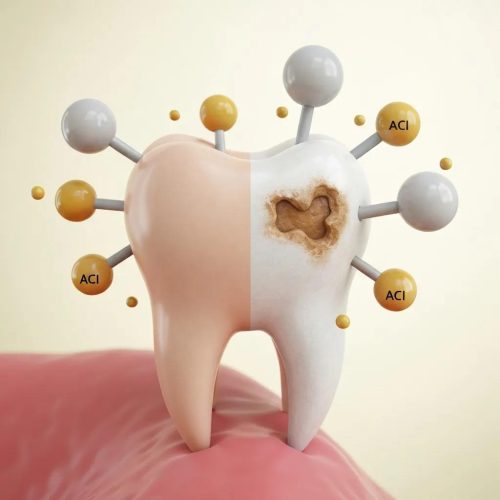
The sugar in juice is food for cavity-causing germs like Streptococcus mutans. These germs break down the sugar and make acids. These acids then lower the acid level in the plaque on your teeth and eat away at your enamel. This chain reaction—sugar intake, germs working, acid being made, enamel breaking down—happens within minutes of drinking juice and repeats with every sip.
So, drinking juice often makes the risk much higher for your oral health. For example, sipping juice all day keeps your mouth acidic and stops your saliva from fixing the minerals in your teeth. This makes cavities much more likely. To help, you can drink juice less often, drink it with meals, and use fluoride to help rebuild tooth minerals. These steps directly fight the sugar → germ → acid process and support good oral health.
Acid and Enamel Breakdown
The acids in many juices—especially citric and malic acids—directly attack tooth enamel. They dissolve the hard crystals that make up enamel when the acid level in your mouth drops too low. Unlike cavities caused by germs, this is a direct chemical softening of enamel.
Over time, it can make your enamel thinner, more see-through, and cause your teeth to become more sensitive, impacting your oral health. Repeated acid exposure changes the surface of your enamel and can make your teeth more likely to wear down when you chew or brush.
How Does Juice Affect Children’s Teeth and Oral Health?

Children’s teeth are more likely to get cavities and wear down because their enamel is still developing for years after their teeth first appear. Also, their habits—like frequent sipping, using bottles or sippy cups, and drinking juice at night—mean their teeth are exposed to acid and sugar for longer, significantly impacting their oral health.
The reason is that young enamel is not as strong and can’t fight off acid attacks as well. So, the same amount of juice that an adult tooth can handle might cause real damage to a child’s tooth. Current advice for children focuses on limiting juice and choosing whole fruit instead to safeguard their oral health.
What Are the Recommended Juice Limits for Kids?
Experts recommend limiting how much juice children drink based on their age to protect their oral health. They suggest choosing whole fruit instead and not using juice as a comfort drink or at bedtime to lower the risk of cavities in young children. Common advice suggests small, measured servings—like 4 ounces or less per day for toddlers and slightly more for older children, depending on their age. It’s always better to choose whole fruit, which has fiber and releases sugar more slowly. Parents should avoid letting children sip from bottles or sippy cups all the time. Never use juice as a pacifier at bedtime, because saliva flow slows down and teeth are exposed for longer. Choosing water as the main drink and saving small juice servings for meals helps balance nutrition and lowers the risk to their oral health.
Leading children’s health groups give specific advice to help parents manage how much juice their children drink for good oral health.
Fruit Juice Consumption Guidelines for Children and Adolescents and Oral Health:
The American Academy of Pediatrics (AAP) and American Academy of Pediatric Dentistry say that babies under 1 year old should have 4 ounces or less of juice per day. For children aged 7 to 18, juice should be limited to 8 ounces or 1 cup of their total daily fluid intake to support their oral health.Fruit juice in infants, children, and adolescents: current recommendations, SA Abrams, 2017
At Cornerstone Dental, we support family-focused advice for children and offer affordable care through services made for kids. Our practice focuses on teaching families and has membership options like the Cornerstone Club to help families get preventive oral health care for their children without needing traditional insurance. We also offer nutritional counseling for both kids and adults to help meet your oral health goals.
Protect Teeth from Juice for Optimal Oral Health?
Protecting your teeth from juice means using a mix of habits, timing, and ways to rebuild tooth minerals to maintain optimal oral health. These steps deal with both cavities caused by sugar and enamel wear caused by acid.
The main actions are simple: drink juice less often, choose when and how you drink it, rinse your mouth or drink water afterward, wait to brush your teeth to let saliva harden softened enamel, and use fluoride products to make your teeth stronger.
Doing these steps together helps a lot because each one targets a different part of how damage happens—how long teeth are exposed, limits acid production, and makes enamel stronger for better oral health.
Why Is Rinsing with Water and Waiting to Brush Important for Oral Health?
Rinsing your mouth with plain water after drinking juice washes away leftover sugars and acids. It also helps your saliva clean your mouth, making it less acidic faster. This shortens the time your teeth are breaking down, which helps prevent cavities and wear, thus benefiting your oral health.
Waiting about 30 minutes before brushing allows the softened enamel to get stronger again with the help of saliva and fluoride. This stops you from scrubbing away the temporarily weakened outer layer of your teeth. Fluoride toothpastes and treatments used after this recovery time make enamel even stronger by helping it absorb more minerals.
Combine rinsing, waiting to brush, and using fluoride to create the best oral health environment for healing and keeping your enamel strong for a long time.
When Should You See a Dentist for Damage to Your Oral Health?
You should see a dentist if you notice signs that your enamel is wearing down or you have cavities, or if your usual ways of preventing problems don’t stop sensitivity or visible changes to your oral health. Early signs include teeth becoming more sensitive to hot, cold, or sweet foods, changes in how clear or colored your teeth look, rough edges, and small pits or scooped-out areas on chewing surfaces. A dental exam can find early damage before cavities get worse. Fluoride treatments, sealants, or small fillings can stop or fix early problems, preserving your oral health.
If you notice one or more of these signs, it’s a good idea to schedule a check-up and get specific prevention advice to stop the problem from getting worse and protect your oral health.
You can enjoy juice in moderation, but knowing the risks and consistently using prevention strategies protects both adult and children’s oral health. If you notice sensitivity or visible changes to your enamel, or if you want help creating a family-friendly plan that balances nutrition and oral health care, make an appointment with your dentist.
Are You Searching For A Martinsburg Area Dental Office For You Or Your Family?
If you’re searching for an experienced dentist please feel free to contact us online or call our Martinsburg, West Virginia dental office directly at 304.267.6059 to schedule your appointment. We provide a wide range of general dentistry care as well as more involved dentistry services for patients throughout the Martinsburg area and look forward to you joining the Cornerstone Dental family.
